Keeping a snake gets filed as fringe in most social settings. Drop the fear filter and the cultural baggage, look at it through plain cost-of-ownership and ROI, and snakes turn out to be one of the most logical pieces of modern living gear.
# Perception Bias and Risk Management
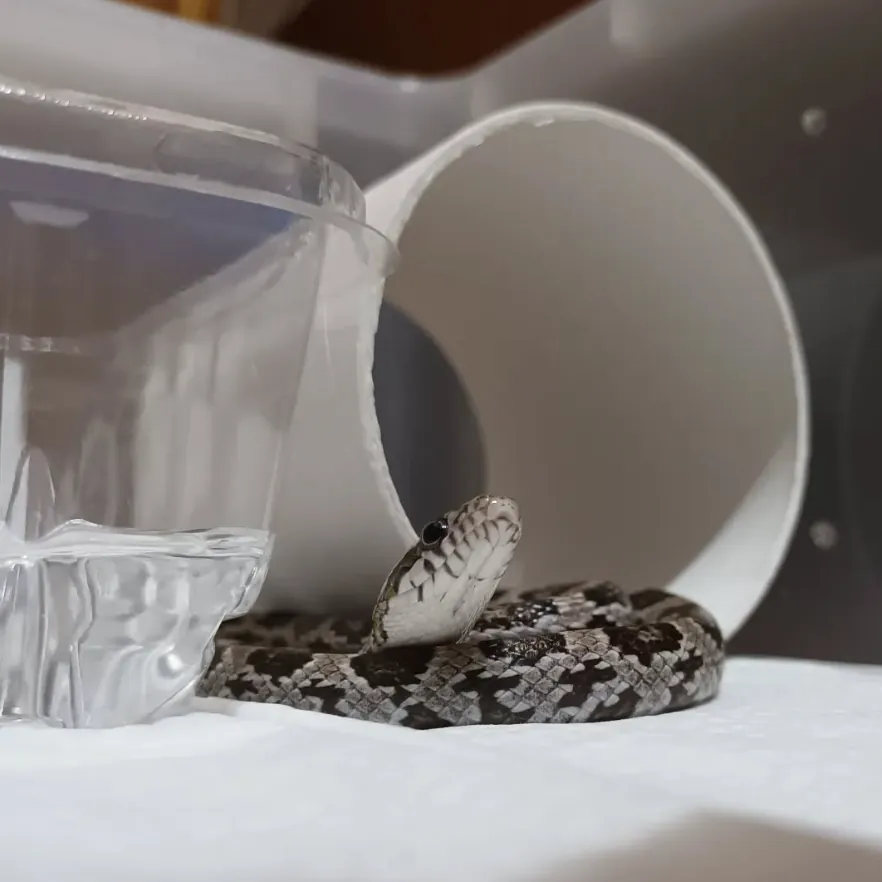
Movies and TV blow the bite risk way out of proportion.
Look at actual keeping data: most captive-bred pet snakes have stable temperaments and a high attack threshold. When a bite does land, the tooth structure produces something closer to a velcro graze than a puncture wound. Standard cleaning and disinfection clears any infection risk. Stable enclosure conditions and clear interaction boundaries handle the rest. Wild specimens are a different conversation, with no predictable baseline. Observation distance is the baseline etiquette for any cross-species interaction.
# Why the Setup Just Works
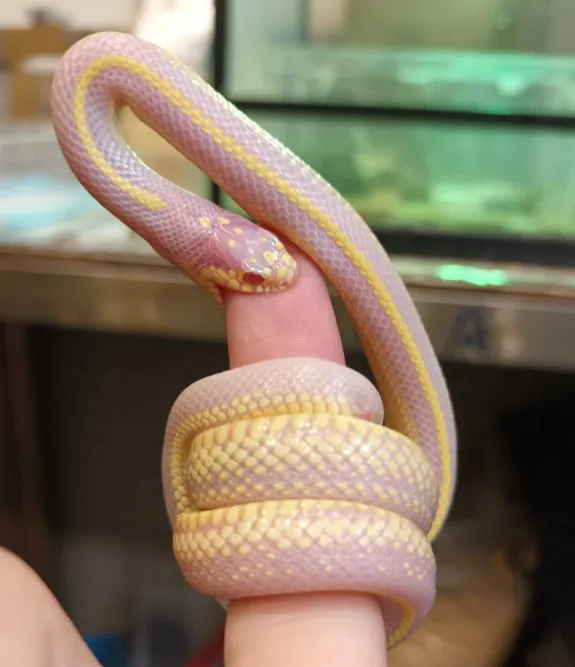
From an observer's perspective, snakes deliver low-wattage visual feedback. Most of the time they sit in low-metabolism stillness. The moments they do feed or explore show real biomechanics, including the occasional misjudged strike, and that holds genuine observational value.
The real deciding factor: minimum maintenance overhead. For anyone running a high-load schedule, they cohabit well:
- High energy efficiency: feeding cycle runs every one to two weeks, metabolism is slow, waste cleanup is rare.
- Environment-tolerant: just maintain a stable closed microclimate (the enclosure). No daily outdoor energy drain, no recurring chores. Fully compatible with long business trips.
- Minimal footprint: tiny floor area, zero noise output. Fits dense urban housing.
- One non-negotiable safety check: physical containment integrity. Lose that, and recovery cost spikes exponentially.
Roll it all up. If the requirement is a living-creature observation system with viewing value and zero schedule disruption, snakes are the highest value-per-cost option on offer.
Ecological Ethics and System Boundaries
Bringing in a non-native companion animal is a long-term, system-level commitment. Never release one into the wild. The released animal rarely survives on its own logic, and the local ecosystem can take cascading damage that does not undo. Control your variables. Hold your boundaries. That is the baseline for anyone calling themselves an observer.
This month's theme: "Hooking You In." The angle here: rational analysis as another way to observe life.